
The Enigmatic World of Crows Folklore and Legends Across Cultures
- Jul 22
- 4 min read
Crows have fascinated humans for centuries. Their striking black feathers, sharp intelligence, and mysterious calls have inspired countless stories and beliefs worldwide. These birds often appear in folklore as symbols of wisdom, trickery, death, or transformation. Exploring crow legends from different cultures reveals how deeply these birds have influenced human imagination and spirituality.

Many Native American tribes regard crows as powerful spiritual beings. For example, the Haida people of the Pacific Northwest see the crow as a creator and a trickster. In their stories, the crow brings light to the world by stealing the sun from a greedy chief. This tale highlights the crow’s role as a clever problem solver and a bringer of knowledge.
The crow also appears as a messenger between the human world and the spirit realm. Some tribes believe that seeing a crow signals a message from ancestors or a warning of change. The bird’s black feathers symbolize the unknown and the connection to the afterlife.
Crow Legends in Celtic Mythology
In Celtic myths, crows often appear as omens of war and death. The goddess Morrigan, associated with fate and battle, frequently takes the form of a crow or is accompanied by them. Warriors believed that crows circling above the battlefield foretold their fate.
Despite this dark association, crows also represent transformation and prophecy. The Celts saw these birds as guides who could reveal hidden truths and help souls transition to the afterlife. Their presence in stories often marks moments of significant change or revelation.
The Role of Crows in Japanese Folklore
Japanese culture features the crow as a divine messenger. The Yatagarasu, a three-legged crow, is a symbol of guidance and intervention by the gods. According to legend, this crow led Emperor Jimmu on his journey to unify Japan, showing the way through difficult terrain.
Crows in Japan are also linked to family and protection. Some shrines honor crows as guardians, and their calls are thought to bring good fortune. This positive view contrasts with some Western beliefs, showing how cultural context shapes the meaning of these birds.
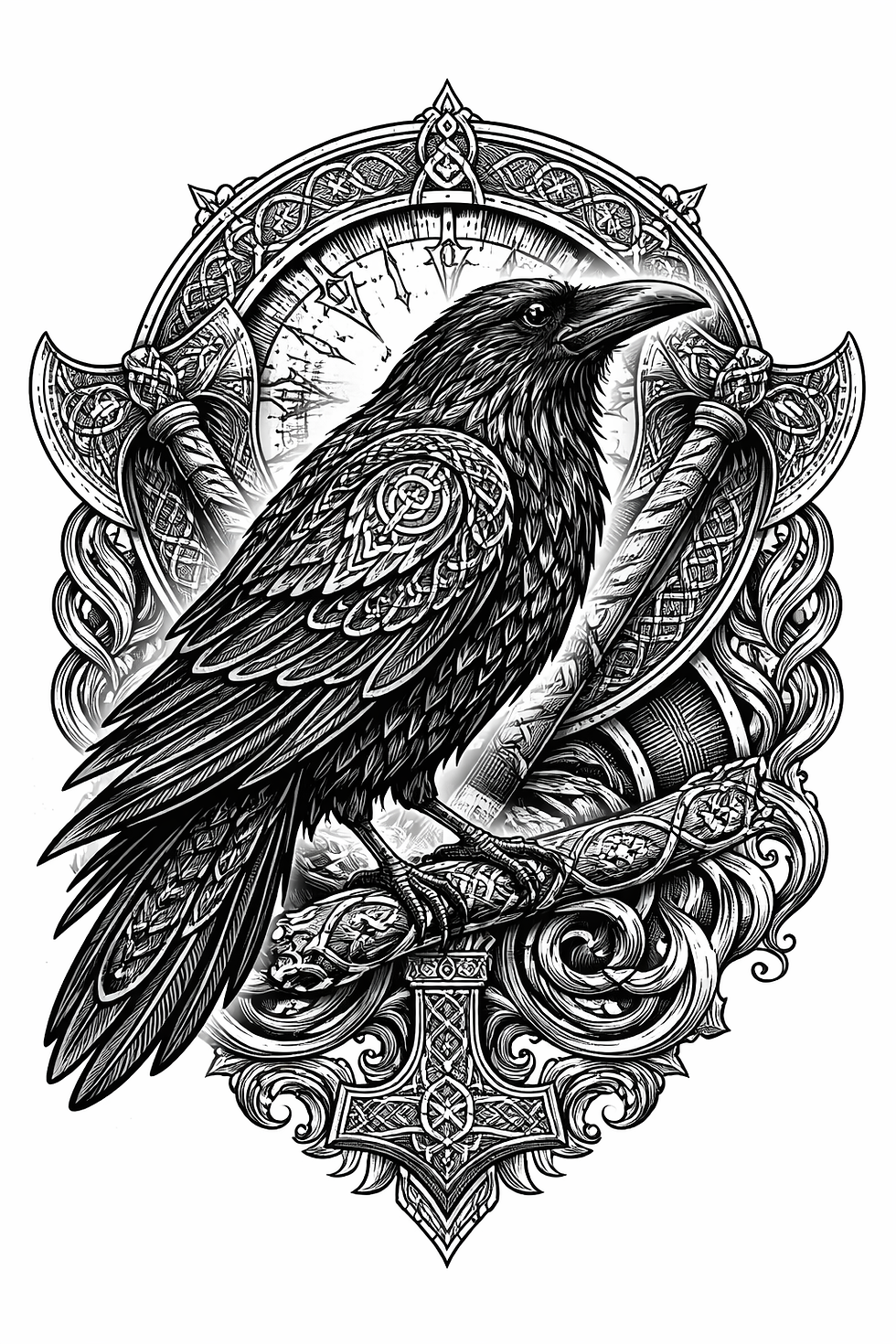
In Norse legends, Odin, the chief god, is accompanied by two crows named Huginn and Muninn, meaning “thought” and “memory.” These birds fly across the world to gather information and report back to Odin. This connection emphasizes the crow’s role as a symbol of intelligence and insight.
The Norse also believed crows had a connection to death and the battlefield. Like the Celts, they saw crows feeding on fallen warriors, linking the birds to the cycle of life and death. This dual symbolism of wisdom and mortality makes crows complex figures in Norse stories.
Interesting Facts About Crows That Inspire Folklore
Crows are among the most intelligent birds. They can solve puzzles, use tools, and even recognize human faces. This intelligence likely contributed to their mystical reputation. People observed their problem-solving skills and social behavior, attributing magical qualities to them.
Crows also have strong family bonds. They often live in groups and help raise each other’s young. This social nature appears in stories where crows act as protectors or guides, reinforcing their image as wise and caring creatures.
Crow Stories from Around the World
Australian Aboriginal Tales: In some Aboriginal stories, crows are creators who shaped the landscape or taught humans important skills. They are sometimes tricksters who challenge other animals or people, adding humor and lessons to the tales.
Greek Mythology: The crow was once white but turned black as a punishment for delivering bad news. This story explains the bird’s dark feathers and its association with misfortune.
Hindu Beliefs: Crows are linked to ancestors and are often fed during rituals to honor the dead. They are seen as carriers of messages between the living and the spirit world.
These examples show how crows appear in diverse roles, from creators and messengers to omens and tricksters.
Why Crows Continue to Captivate Us
Crows remain a source of fascination because they embody contradictions. They are both feared and respected, seen as harbingers of doom and symbols of wisdom. Their adaptability and intelligence make them relatable yet mysterious.
Modern science confirms many of the traits that folklore attributes to crows. Their problem-solving abilities and social complexity inspire admiration. This blend of myth and reality keeps crows relevant in stories and culture today.
How to Explore Crow Folklore Yourself
Read traditional stories from different cultures to see how crows are portrayed.
Observe crows in nature to notice their behavior and social interactions.
Visit museums or cultural centers that feature indigenous or ancient myths.
Join birdwatching groups to learn more about crow species and their habits.
By combining storytelling with real-world observation, you can deepen your appreciation for these remarkable birds.
Crows have left a lasting mark on human culture through their presence in folklore and legends worldwide. Their intelligence, mystery, and symbolic power continue to inspire stories that reveal how humans understand the natural world and their own place within it. Next time you see a crow, consider the rich history and meaning behind this enigmatic bird.


Comments